
Expert Techniques for Lasting Freshness

Full-Service Pet Odor & Stain Removal

Professional carpet and fabric protection helps give you more time to respond to spills while making routine maintenance and future cleaning easier. Evergreen Carpet Care applies protective treatments to eligible carpets, upholstery, and other fabric surfaces throughout Reno, Sparks, Carson City, Gardnerville, Lake Tahoe, Truckee, and surrounding communities.

Before applying a protector, we evaluate the material, its condition, previous treatments, and how the surface is used. Based on that inspection, we can recommend an appropriate product and explain what the treatment can and cannot protect against.
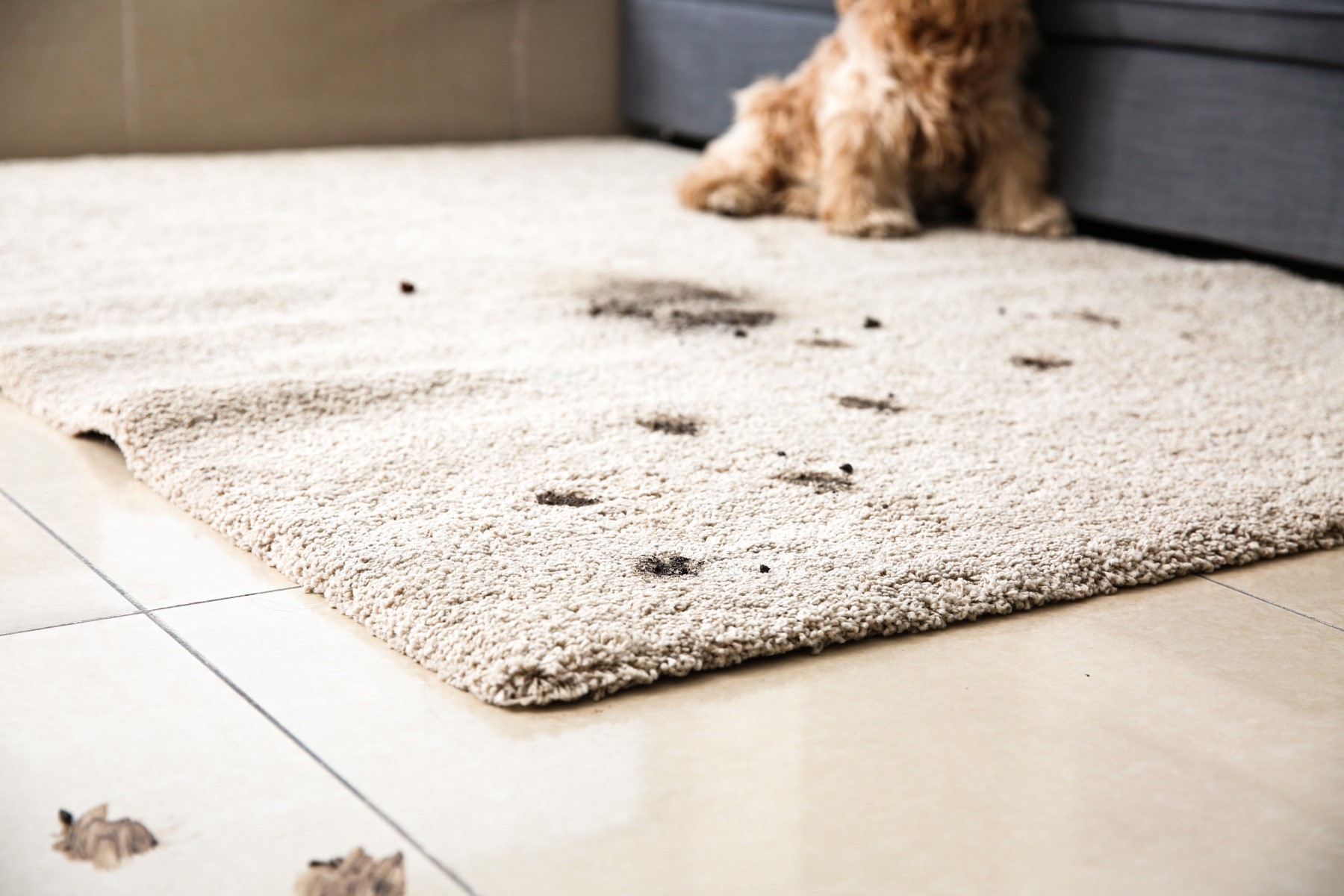
Our Pet Odor and Stain Treatment Process

Every pet odor problem is different. Before recommending treatment, we evaluate the location, severity, age, and depth of the contamination so we can determine the most appropriate approach.

1. In-Home Inspection

We inspect the carpet and discuss where accidents have occurred, how long the problem has been present, and whether previous cleaning products or treatments have been used.

When appropriate, additional detection methods may be used to help identify affected areas that are not immediately visible.

2. Contamination Assessment

We determine whether the issue appears limited to the carpet fibers or may have penetrated the carpet backing, padding, tack strips, baseboards, or subfloor.

This step is important because surface cleaning alone may not resolve odor originating beneath the carpet.

3. Urine Pretreatment

Affected areas are treated with a product selected to loosen urine residue and prepare the carpet for deeper cleaning.

The treatment method and amount of product used depend on the extent of contamination and the carpet’s fiber and condition.

4. Professional Carpet Cleaning

The carpet is professionally cleaned to remove loosened soil, residue, and contamination from the fibers.

Visible staining may improve substantially, but complete removal cannot be guaranteed when urine has permanently altered the carpet dye or damaged the fibers.

5. Odor-Neutralizing Treatment

An odor-neutralizing or enzyme-based treatment may be applied to help break down remaining organic residue.

For deeper contamination, treatment may need to reach the carpet backing and padding rather than being applied only to the surface.

6. Recommendations for Severe Contamination

If urine has penetrated the padding or subfloor, additional work may be required. Depending on the condition, this may include lifting the carpet, treating or replacing affected padding, cleaning the underside of the carpet, or treating the subfloor.

In some cases, damaged carpet, padding, tack strips, or other materials may need to be replaced before the odor can be fully resolved.

Treatment Options Based on the Severity of the Problem

Every pet odor problem is different. Before recommending treatment, we evaluate the location, severity, age, and depth of the contamination so we can determine the most appropriate approach.

Minor Pet Odors and Recent Accidents

When contamination is limited to the carpet fibers, professional carpet cleaning combined with a targeted deodorizing or enzyme treatment may be sufficient.

Recent accidents generally offer a better chance of improvement than stains and odors that have been present for months or repeatedly treated with household products.

Moderate or Repeated Pet Contamination

Repeated accidents can spread beyond the visible stain and affect a larger area beneath the carpet. These situations may require more extensive saturation treatment so the odor-neutralizing solution reaches the same layers as the urine.

Severe Odors in the Padding or Subfloor

When urine has penetrated the carpet backing, padding, tack strips, or subfloor, surface cleaning will usually not be enough. Treatment may involve lifting the carpet, replacing contaminated padding, treating the subfloor, and cleaning both sides of the carpet.

We will explain the available options after inspecting the affected area. In severe cases, replacing some materials may be more practical than repeated cleaning.

What Pet Treatment Can and Cannot Correct

Professional treatment can often produce significant improvement, particularly when accidents are recent and contamination has not reached the padding or subfloor. However, urine can permanently alter carpet dyes, weaken fibers, damage backing, and affect underlying building materials.

Results vary based on the age and amount of contamination, the number of affected areas, previous cleaning attempts, carpet construction, and access to the contaminated layers. Evergreen Carpet Care will explain any known limitations before treatment begins.

Water droplets beading on protected upholstery fabric after fabric protector treatment.
Don’t Just Take Our Word For It

Hear from Our Clients

We had our carpet cleaned on Friday. The tech who came out was extremely polite and did a wonderful job on our carpets. We have 4 dogs and he was able to remove all the spots they left on the floor. We will definitely use Evergreen again.
AMY SCHONFELD
We had our carpet cleaned on Friday. The tech who came out was extremely polite and did a wonderful job on our carpets. We have 4 dogs and he was able to remove all the spots they left on the floor. We will definitely use Evergreen again.
George R Thrower
Greatly appreciate your services, and the professionalism of your employees. I will faithfully continue to use your services, and will without hesitation refer your company to all of my friends and associates.
LINDA MCDONALD
Carpet and Fabric Protection

Frequently Asked Questions

Standard carpet cleaning may improve light surface odors, but it may not resolve urine that has penetrated the carpet backing, padding, or subfloor. We inspect the affected area and recommend treatment based on how deeply the contamination appears to have traveled.

Complete odor removal cannot be guaranteed in every situation. Results depend on the age, severity, and location of the contamination, whether previous products were used, and whether all affected materials can be accessed and treated. Severe cases may require padding replacement or subfloor treatment.

Odor may return when moisture or humidity reactivates urine residue that remains in the carpet backing, padding, or subfloor. This is why identifying the depth of the contamination is important before selecting a treatment.

Technicians may use visual inspection, odor assessment, moisture detection, or ultraviolet inspection when appropriate. These tools can help identify likely areas of contamination, although no detection method identifies every affected spot with perfect accuracy.

Yes. Urine can chemically alter carpet dyes and cause permanent yellowing, bleaching, or discoloration. Professional treatment may remove residue and improve the appearance, but it cannot restore dye that has been permanently changed.

Treatment options depend on the extent of the contamination and whether the affected areas can be safely accessed. Severe cases may require lifting the carpet, replacing sections of padding, treating the underside of the carpet, or applying an appropriate treatment to the subfloor.

Not always. Localized contamination may be treatable without replacing the entire carpet. Replacement may be recommended when damage is widespread, the carpet backing has deteriorated, contamination cannot be fully accessed, or the carpet has permanent staining and odor damage.

Enzyme-based products can help break down organic urine residue when the correct product reaches the contaminated material. Their effectiveness depends on proper application, adequate contact time, carpet compatibility, and whether the urine has penetrated into deeper layers.

Blot fresh urine with a clean white towel, but avoid oversaturating the carpet or repeatedly applying different household products. Some cleaners may leave residue, alter the carpet dye, set the stain, or interfere with professional treatment. Tell the technician what products have already been used.

Absorb as much liquid as possible by blotting with clean white towels. Apply firm pressure rather than scrubbing, which can spread the urine and damage the carpet fibers. Contact Evergreen Carpet Care for guidance before using a strong spot cleaner.

Children and pets should remain away from treated areas until the carpet is fully dry and all technician instructions have been followed. Let Evergreen know about pets, children, sensitivities, or household concerns before treatment.

Drying time varies based on the treatment used, the amount of moisture required, carpet construction, ventilation, humidity, and whether deeper saturation treatment was necessary. More extensive urine treatment may take longer to dry than standard carpet cleaning.

Pet treatment and carpet cleaning are often performed together, but the exact services included should be confirmed in the estimate. A minor surface treatment may differ significantly from a deeper service involving padding or subfloor treatment.

Pricing depends on the number and size of affected areas, the depth of contamination, carpet condition, required treatments, and whether padding replacement or subfloor work is needed. An in-home inspection provides a more reliable estimate than pricing based only on room size.

Pet odors in area rugs and upholstery require different cleaning methods than wall-to-wall carpet. Evergreen should inspect the material, construction, dyes, and depth of contamination before recommending treatment. Link this answer to the area rug and upholstery cleaning pages.

A fragrance or topical deodorizer may temporarily mask an odor, but effective treatment should address the urine residue causing it. The appropriate method depends on whether the contamination is limited to the surface or has reached the carpet backing and underlying materials.

Call for Your Free Quote Today!

Speak Directly to a Customer Service Specialist.  Your Cleaner, Healthier Home Awaits!